Understanding the psychological effects of gambling on decision-making and behavior
The Basics of Gambling and Decision-Making
Gambling is a complex behavior that intertwines chance, risk, and decision-making. At its core, it involves individuals making choices under uncertainty, often influenced by a combination of psychological factors. Decisions in gambling aren’t made in a vacuum; they are shaped by emotions, cognitive biases, and individual experiences. For those looking for an entertainment option, Pikashow provides a platform for enjoying movies and shows, helping people unwind from the stresses that can lead to poor gambling choices.

Individuals may approach gambling with different mindsets, from casual entertainment to serious investment. This variance can heavily influence decision-making processes. When a person perceives gambling as a means to escape stress or achieve financial stability, their decisions may become increasingly risk-oriented. This mindset can distort rational thinking, causing individuals to overlook probabilities and make poor choices that can lead to negative consequences.
Moreover, the immediate gratification often associated with gambling can lead to impulsive decision-making. The thrill of a potential win creates an emotional high, which can overshadow logical reasoning. Cognitive biases, such as the illusion of control, further complicate decision-making processes. Gamblers often believe they can influence outcomes through their actions, reinforcing their willingness to take significant risks, which can lead to compulsive behavior and detrimental outcomes.
Emotional and Psychological Impacts
The emotional landscape of gambling is multifaceted, often characterized by highs and lows that can affect an individual’s psychological well-being. For many, winning can produce feelings of euphoria, boosting self-esteem and encouraging further gambling. This cyclical reinforcement can create a psychological dependency, where the thrill of winning becomes a primary motivator, overshadowing the risks involved. Such emotional highs can lead to distorted perceptions of one’s gambling abilities and overall decision-making.
Conversely, losses can provoke feelings of shame, guilt, and depression, significantly affecting mental health. The aftermath of losing can lead to a desperate attempt to recover lost funds, known as chasing losses. This behavior further exacerbates poor decision-making, as individuals may gamble more than they can afford, leading to deeper financial woes. The emotional turmoil created by these highs and lows can trap individuals in a cycle of gambling that is difficult to escape.
Additionally, gambling can impact interpersonal relationships, contributing to feelings of isolation and conflict. Individuals may prioritize gambling over family or social obligations, leading to strained relationships. The stress and anxiety related to gambling losses can further compound these issues, creating a vicious cycle of emotional distress and poor decision-making. Understanding these emotional and psychological impacts is essential for recognizing the broader consequences of gambling behavior.
Cognitive Biases and Gambling Behavior
Cognitive biases significantly influence gambling behavior, often skewing decision-making processes. One common bias is the « gambler’s fallacy, » where individuals believe that past events will influence future outcomes. For instance, a player might think that a losing streak will soon end, leading them to continue gambling in hopes of a win. This fallacy can distort rational decision-making, pushing individuals to make increasingly risky bets based on flawed reasoning.
Another bias that affects decision-making in gambling is the « availability heuristic, » where individuals rely on immediate examples that come to mind when evaluating risks. If someone recently heard about a jackpot winner, they might overestimate their chances of winning. This cognitive shortcut can create an illusion of control, leading players to underestimate the odds against them. Such biases make it difficult for gamblers to make informed choices, often resulting in escalating gambling behavior.
Awareness of these cognitive biases is crucial for understanding the psychological effects of gambling. Recognizing how these biases influence decision-making can help individuals make more rational choices. Interventions aimed at educating gamblers about these cognitive pitfalls can potentially reduce harmful behaviors and promote healthier gambling practices. This awareness can empower individuals to question their decision-making processes and mitigate the adverse effects of gambling.
The Role of Social and Environmental Influences
Social and environmental factors play a significant role in shaping gambling behaviors and decision-making. Peer influence can either encourage or deter gambling activities, impacting how individuals perceive risk and reward. For instance, being part of a social group that views gambling as a normal activity may lead to increased participation, irrespective of personal risk awareness. This social reinforcement can lower inhibitions and skew decision-making processes.
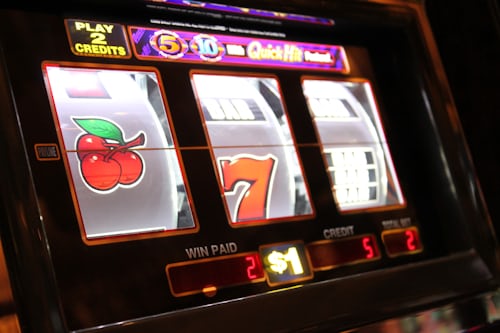
Moreover, environmental factors such as the accessibility of gambling venues can significantly influence gambling behavior. The presence of casinos, online gambling platforms, and sports betting opportunities can normalize gambling, making it more challenging for individuals to resist the temptation. Environments designed to heighten excitement, such as flashing lights and sounds, can trigger impulsive decisions, further entrenching unhealthy gambling habits.
Additionally, societal attitudes toward gambling can impact individual decision-making. In cultures where gambling is viewed positively, individuals may be more likely to engage in risky behaviors without fully comprehending the consequences. Understanding the interplay between social and environmental influences is essential for recognizing the broader context of gambling behavior and its psychological effects on decision-making.
Conclusion: Understanding the Psychological Effects of Gambling
Understanding the psychological effects of gambling on decision-making and behavior is crucial for individuals, families, and communities. By recognizing the interplay of emotional, cognitive, and social factors, individuals can better navigate their gambling experiences. This understanding can lead to healthier decision-making and reduce the risk of developing compulsive gambling behaviors.
Moreover, increased awareness of cognitive biases and emotional triggers can empower gamblers to make more informed choices. Interventions aimed at education and support can help individuals break free from harmful cycles and promote responsible gambling practices. By fostering an environment that prioritizes mental well-being, communities can combat the adverse effects of gambling and encourage healthier decision-making.
0 commentaire